Not every export company sources products the same way. Two common models are the manufacturer exporter and the merchant exporter, and understanding the difference helps a buyer know what to expect in terms of quality control and lead time.
Manufacturer exporter
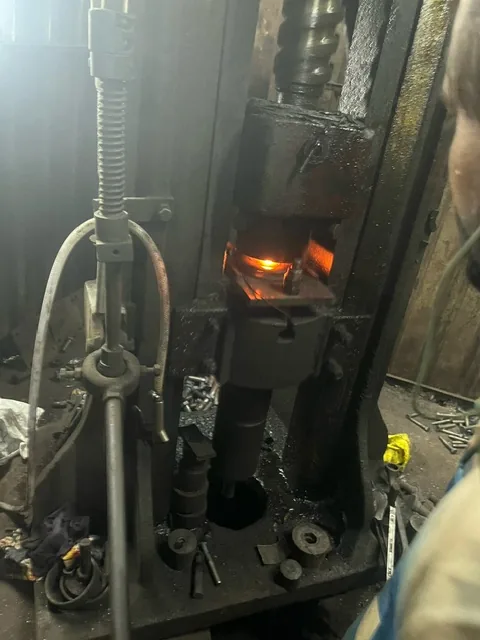
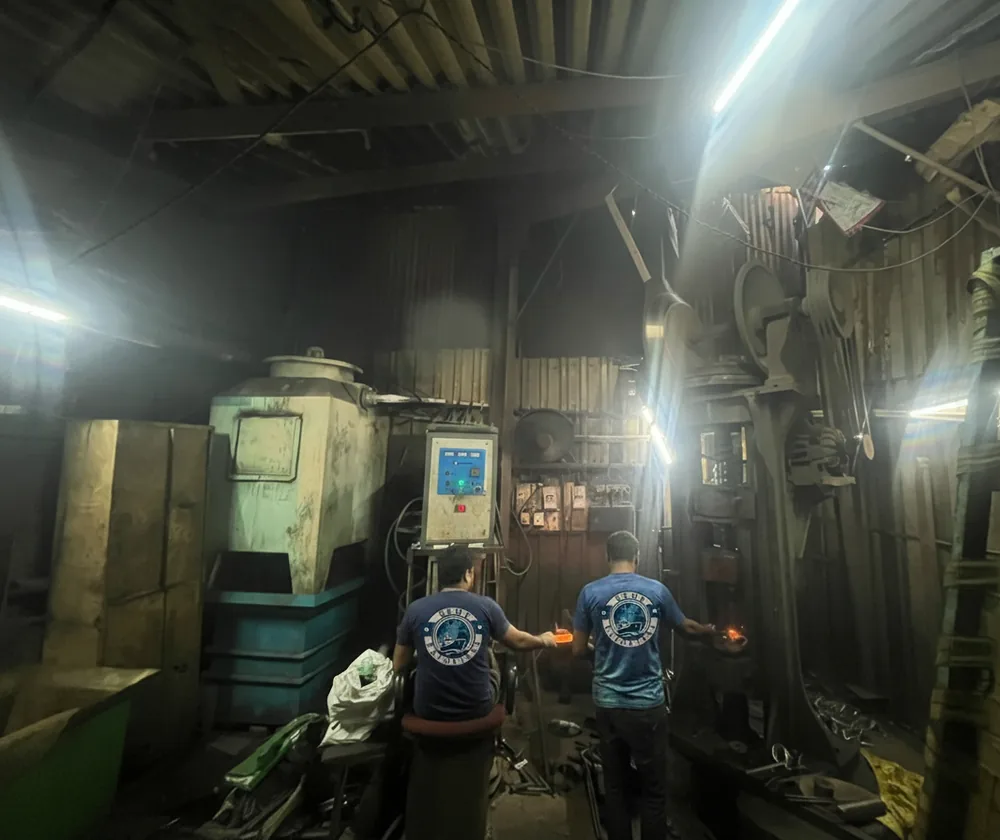
A manufacturer exporter produces the goods directly at its own facility. This gives the buyer more direct visibility into production, specification changes and quality checks, since there's no intermediary between the factory and the export process.
Merchant exporter
A merchant exporter sources finished goods from third-party producers, checks quality, and manages the export process on the buyer's behalf. This model is common for categories where a single company can't realistically manufacture everything in-house - for example, a wide range of lifestyle products.
Why this matters for your sourcing decision
Some export companies operate under only one model. GRMB EXPORTERS operates as a manufacturer exporter for its Industrial Fasteners division, and as a merchant exporter - sourcing from verified Indian producers - for Denim, Leather/Vegan Leather and Handicrafts. Knowing which model applies to the product you're sourcing is a reasonable question to ask any exporter before placing an order.
Quality Control Implications
With a manufacturer exporter, quality control happens at the source: the exporter controls raw material selection, production tolerances and finishing directly, so there's a single point of accountability if something goes wrong. With a merchant exporter, quality control happens as an added inspection step between the producer and the buyer - the exporter checks goods against an agreed specification or sample before they ship, which still protects the buyer, but relies on the exporter's own inspection process being thorough and honest. Ask any merchant exporter what their quality-check process actually involves before assuming it's rigorous.
Lead Time Implications
Manufacturer exporters generally have more direct control over production scheduling, which can make lead times more predictable, especially for standard, non-customized orders. Merchant exporters depend on their producer network's own capacity and scheduling, which can introduce more variability, particularly during high-demand periods or for products requiring specific raw materials. Neither model is inherently faster - a well-managed merchant exporter with strong producer relationships can be just as reliable as a manufacturer, but it's worth asking about typical lead times for your specific product rather than assuming.
Pricing Transparency
Manufacturer exporters typically price based directly on their own production cost structure - material, labor, overhead and margin. Merchant exporters price based on what they pay their producer network plus their own margin for sourcing, quality control and export management. Both are legitimate pricing models, but a buyer negotiating on price should understand which one they're dealing with, since a merchant exporter has less room to reduce price on raw material costs they don't control directly.
Risk and Liability Considerations
If a quality issue is discovered after shipment, a manufacturer exporter is directly responsible for the defect since they controlled production. With a merchant exporter, responsibility can in theory become a three-way conversation between the buyer, the exporter and the original producer - which is exactly why a reputable merchant exporter should stand behind the goods they've quality-checked and sold, rather than deflecting responsibility back to the producer. This is worth clarifying explicitly before placing a first order, particularly for a large shipment.
How to Identify Which Model an Exporter Uses
- Ask directly: "Do you manufacture this product yourselves, or source it from another producer?"
- A manufacturer exporter can usually describe their own production process, equipment and in-house quality checks in detail
- A merchant exporter should be transparent about their sourcing and quality-check process, rather than implying in-house manufacturing they don't actually do
- Product certification (mill test certificates, material certificates) is more commonly available directly from a manufacturer exporter, though a good merchant exporter should still be able to obtain it from their producer on request
Questions Worth Asking Before You Order
Regardless of which model an exporter uses, a buyer should feel comfortable asking: who actually makes this product, what quality checks happen before it ships, what happens if a defect is found after delivery, and what documentation (certificates, test reports) is available. A confident, specific answer to these questions is a better signal of reliability than the model itself - both manufacturer and merchant exporters can be excellent or unreliable partners depending on how seriously they take these responsibilities.
Frequently Asked Questions
Is a manufacturer exporter always better than a merchant exporter?
Not necessarily. Both models can deliver reliable quality - what matters more is the exporter's actual quality control process, communication and track record, regardless of which model they use.
Which model does GRMB EXPORTERS use?
GRMB EXPORTERS is a manufacturer exporter for Industrial Fasteners, manufactured at our own facility, and a merchant exporter for Denim, Leather/Vegan Leather and Handicrafts, sourcing from verified Indian producers with quality checks before export.
Can I request documentation showing who manufactured my order?
Yes, for fasteners we can provide mill test certificates and certificates of conformity directly. For sourced categories, documentation availability can be confirmed with our export team as part of your order.
Does the model affect pricing?
It can. Manufacturer exporters price from their own production cost; merchant exporters price from what they pay their producer network plus their sourcing margin. Both are legitimate, but it affects how much room there typically is to negotiate on raw material cost.
Scaling an Order Over Time
The two models can also behave differently as a buyer's order volume grows. A manufacturer exporter with in-house production capacity can often scale more predictably, since they control their own factory scheduling directly and can plan capacity expansion around confirmed demand. A merchant exporter scaling with a buyer's growth needs to either expand within their existing producer network's capacity or bring on additional verified producers, which can introduce more variability in lead time and, occasionally, subtle consistency differences if a second producer is added to fulfill the same product line. Buyers planning significant volume growth over time should discuss scaling capacity with their exporter early, regardless of which model applies.
A Practical Way to Evaluate Either Model
Rather than treating manufacturer or merchant exporter status as a pass/fail filter, it's more useful as one input into a broader evaluation that also includes communication quality, sample accuracy, documentation transparency and pricing clarity. An exporter of either type that answers questions directly, provides an accurate sample, and stands behind their product after delivery is a stronger choice than one that simply claims the more impressive-sounding model without backing it up in practice.